I hit a very exciting milestone this week. I have now written more than 50,000 words of the first draft of Strychnine & Strangeways, the true story of Mary Ann Britland. That’s more than 200 pages in paperback terms. WOOHOO!
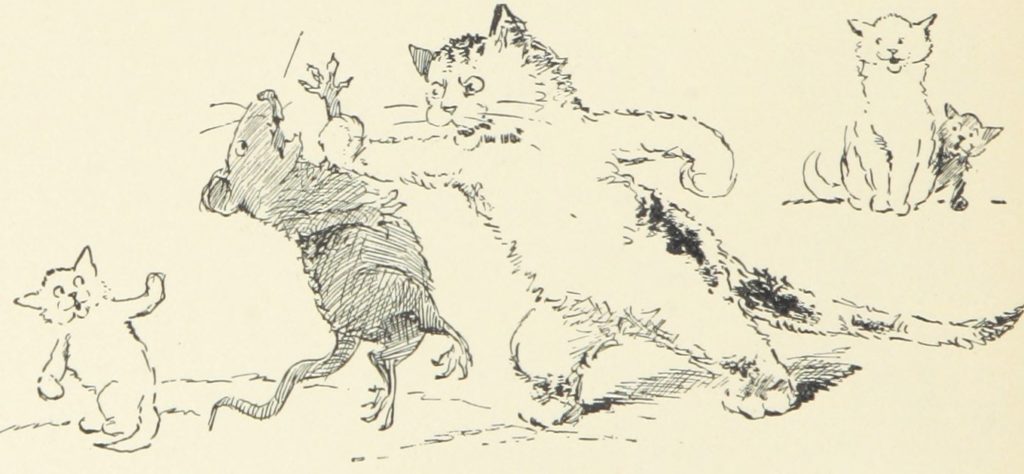
Take that, draft!
Discovering the true story of Mary Ann Britland
I hit a very exciting milestone this week. I have now written more than 50,000 words of the first draft of Strychnine & Strangeways, the true story of Mary Ann Britland. That’s more than 200 pages in paperback terms. WOOHOO!
Take that, draft!
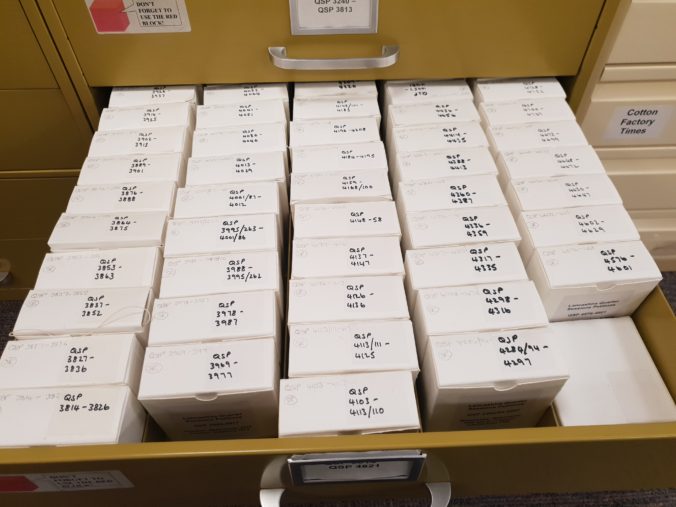
Tracing your family history? Awesome! What you’re doing is a form of archival research. Archival research means you’re looking for information and evidence in archives. What’s an archive? Just a collection created to preserve certain types of objects. For example, a record office is an archive the keeps birth, marriage and death certificates, while a local history centre is an archive that keeps letters, photos, documents and books relating to its town’s history. Even a library is a form of archive – it collects and preserves books.
I love words. I’m not an expert in them and I can only speak one language, which is really lame, because I find words – their origins, their meanings and the way those meanings change over time – so fascinating. As an adult, I curse High School Me for not sticking with any of the languages I started in school.
Yeah, I probably owe you guys a proper update. But so much has happened (all good) since my last post that I don’t know where to start. So I’ll keep it short and just tell you the four things you need to know right now.
Hey guys!
No, I haven’t been abducted by aliens (I wish), nor have I run away to live in a secret underground ice lair (double wish). I’m still here and I’m still working on Mary Ann Britland’s story. It’s just been a crazy few months and I had to let something slide. It wasn’t going to be the writing or the research, so it had to be the blog. Sorry, website! I still love you, even when I’m neglecting you horribly.
Uh, that goes for friends and family too. Sorry for my repeated (and extended) vanishing acts. I know no-one’s asking for encores.
The good news is the book is coming along awesomely. Despite a hectic few months, I’m still getting heaps done. And I’ve got a pretty interesting blog post coming up, if I do say so myself (which obviously I do because… you know, I just did). Don’t lose hope 😉
In the meantime, please enjoy this excellent picture of dancing skeletons. It’s from the British Library’s Flickr account, which is full of brilliant old pics that are now public domain. It’s definitely worth a snoop.
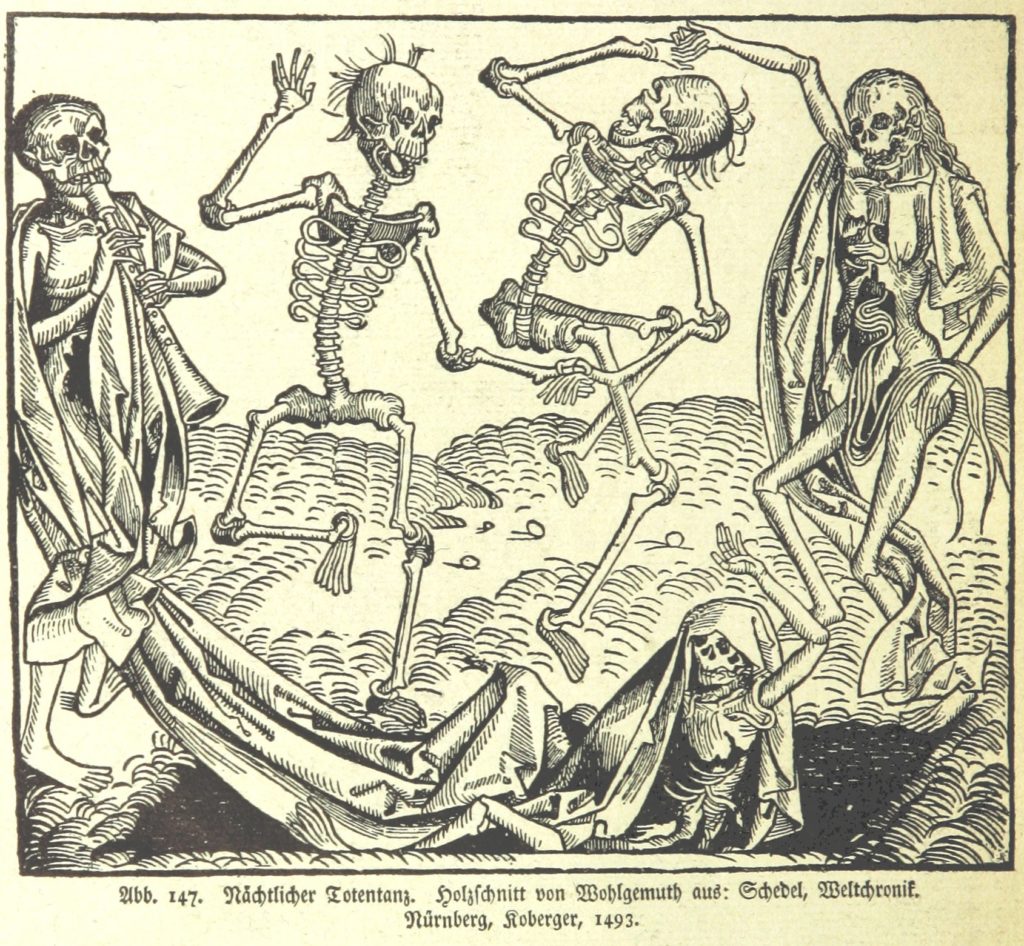
Ain’t no party like a skeleton party…
Holy crap! Can you believe it’s almost 2018? Where did the year go?
2017 has been a full-on year: personally, professionally, politically, everything…ally. For me, it’s brought big changes to my day job and lots of travel, both of which have been great. However, it’s been a lot to juggle with the Mary Ann Britland book. Mary Ann’s story keeps proving to be richer and more complex (which are just polite ways of saying “stranger” and “even more contradictory”) than even I realised. Which is ultimately a good thing, because it makes for a bigger, better, more interesting book. But a bigger book also takes more time to write. And while I’m extraordinarily lucky to only work four days a week (a luxury most writers and artists can’t afford), there are only so many hours in the day.
But it’s getting done. In fact, I’ve actually done a lot this year and set the groundwork for even more work in 2018. So I’m celebrating with a slightly self-indulgent list of my top 10 Mary-Ann-Britland-related research and writing achievements for 2017. I’ve also whacked in some Victorian Christmas pics for the seasonal lols. They’re from the British Library’s Flickr, which is full of awesome vintage photos and illustrations that are all free to download. The captions are mine and 100% historically accurate. Totally.
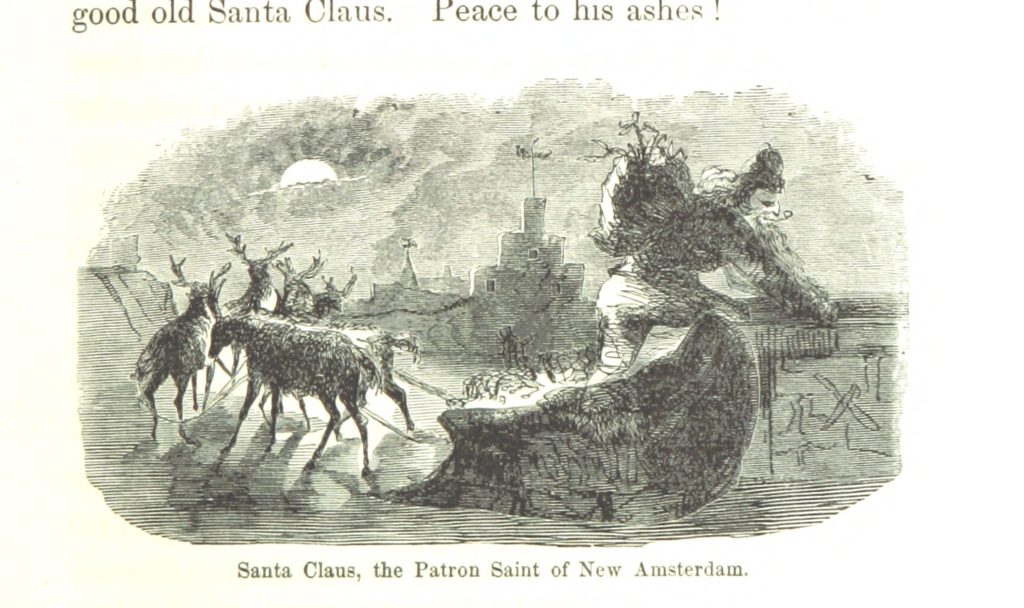
Santa the Undead Christmas Yeti. “Peace to his ashes” indeed.
Wow, two months between posts! That’s bad, even by my standards.
Sorry (again) for the radio silence (again). I’ve been flat-out travelling for work (and play), trying to stick to my self-imposed deadlines (I’m currently three weeks behind), writing some extra stuff for a cool secret side project (more on that early next year), and using too many parentheses (like these). It’s a lot to keep up with!
I’ve made some interesting research discoveries, but I’m not sure how much I want to share at this point – I don’t want to give away my own spoilers. So here’s a quickie photo post so you know I’m still doing *something*. Enjoy!
But first – a massive shout-out to my Manchester hosts, tour guides, and research gurus, Emma and Clancy. Much of what I now know about Manchester’s architecture and geography is thanks to them. Anything I’m mistaken on is probably all me ;P
I’m baaaack! It’s been almost a month since I returned from my combined research and holiday trip to the UK (which I’m still calling a researchiday. Trust me, it’s the new bleisure) and I’m finally settling back into my normal non-travel life. I miss the midday pints. I do not miss the jet lag.
Lots of people have asked how my trip went. Did I find out everything I wanted to know? What was the most exciting discovery? If I was on a “research” trip, why was my Instragram full of pictures of me in pubs? Well, the answers to questions one and two are pretty closely related. And I’m taking the fifth on the third (which I’m not really entitled to do because I’m Australian, but let’s just skip over that… )
Sorry for the radio silence, guys. I have a couple of blog posts in process, but have been so flat-out I haven’t had time to finish them. The last couple of months have been crazy with work, travel, and, of course, researching and writing about Mary Ann Britland. I guess it’s true what they say: time flies when you’re having fun investigating 130-year-old murders.
Another thing that’s keeping me busy is preparing for my upcoming combined research trip and holiday, which I’m calling a researchiday. Mostly because it’s fun to say. Try it – I guarantee it’ll perk you up.
This time next week, I’ll be on my way to the UK for three weeks of museums, archives, cemeteries, witchcraft sites, and prisons (as well as the usual eating, drinking, and shopping). I’m visiting London, Manchester, and Edinburgh, and while I do have a few serious research to-dos on my itinerary, my focus will be on spending quality time in the places I’m writing about. Time and place are so important to this story. As a writer, I’m driven by the question of WHY the Britland case turned out the way it did – why Elizabeth Hannah Britland, Thomas Britland, and Mary Dixon died, and why Mary Ann Britland’s life ended with a snap at the end of a 7ft rope. The time and place that these events occurred answer many of those questions, so as a writer I need to make them real for my readers. And the easiest (not to mention most fun) way for me to achieve that is to spend time in those places – which bear their history like scars – and make them real for myself.
Aaand I’m also a travel writer. So making places feel real is kinda part of my job 😜
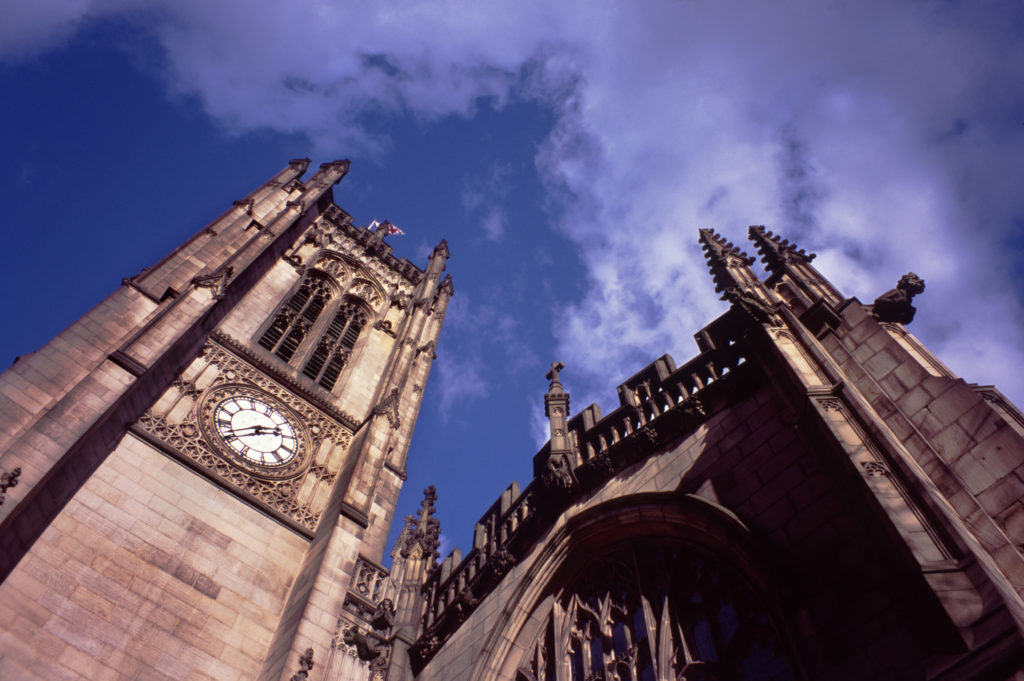
Manchester: Soon I will be in you. Photo credit – http://www.photoeverywhere.co.uk
Archival research can be daunting. There are so many archives to explore, and the combinations of catalogues and search terms are almost endless. Even a seemingly simple project, like researching your family tree, can quickly become overwhelming.
For the sake of your time, money, and sanity, it’s vital to organise your research. Keeping track of what you need to do and have already done will stop you repeating the same searches over and over, and help you figure out which archives are most useful for your work. It’s also a concrete reminder of how much you’ve already done, which can be comforting on those days when it feels like you’re not getting anywhere (yep, we all have them).


© 2026 Strychnine & Strangeways
Theme by Anders Noren — Up ↑
Recent Comments